The measures relating to the Sisma Bonus and the adoption of new seismic-resistant building systems are fundamental for securing Italy’s building heritage.
The Sisma Bonus and eligible works
The Sisma Bonus is the incentive for works relating to the adoption of seismic protection measures (Article 16, paragraph 1-bis, Legislative Decree 63/2013) to be carried out by the new deadline set at 31 December 2022.
This deduction is granted to taxpayers (private individuals and companies) who carry out safety works on buildings located in the first three seismic hazard zones, with the aim of driving a strong acceleration in investment.
The Sisma Bonus covers all works aimed at improving the seismic behaviour of the building:
- static safety works on the structural parts of buildings;
- works that allow the building to move to one or two lower risk classes;
- expenditure on seismic-resistant buildings constructed through demolition and reconstruction that constitutes an operation to preserve the building heritage, even in cases where a volumetric increase has occurred.
The guidelines for the seismic risk classification of buildings and the methods for certifying the effectiveness of the works carried out are set out in Ministerial Decree No. 24 of 09/01/2020.
For the determination of the risk class, reference is made to the PAM parameter, “which can be likened to the cost of repairing damage caused by seismic events that will occur over the service life of the building, spread annually and expressed as a percentage of the construction cost” (Annex A, Ministerial Decree No. 24 of 09/01/2020).
The effectiveness of works aimed at reducing seismic risk must be declared by means of a sworn statement by the professionals responsible for structural design, structural site supervision, and static testing (Art. 3, Consolidated text of Ministerial Decree No. 58 of 28-02-2017).
Structures and technologies for seismic-resistant construction: the MTR® System
In order to carry out these works within the permitted deadlines and make them compliant with the criteria of seismic regulations, the choice of innovative materials and advanced construction techniques becomes an essential aspect of work planning.
New technologies ensure speed of execution, safety, and guaranteed controlled and certified quality for structural reinforcement works and for the construction of seismic-resistant buildings.
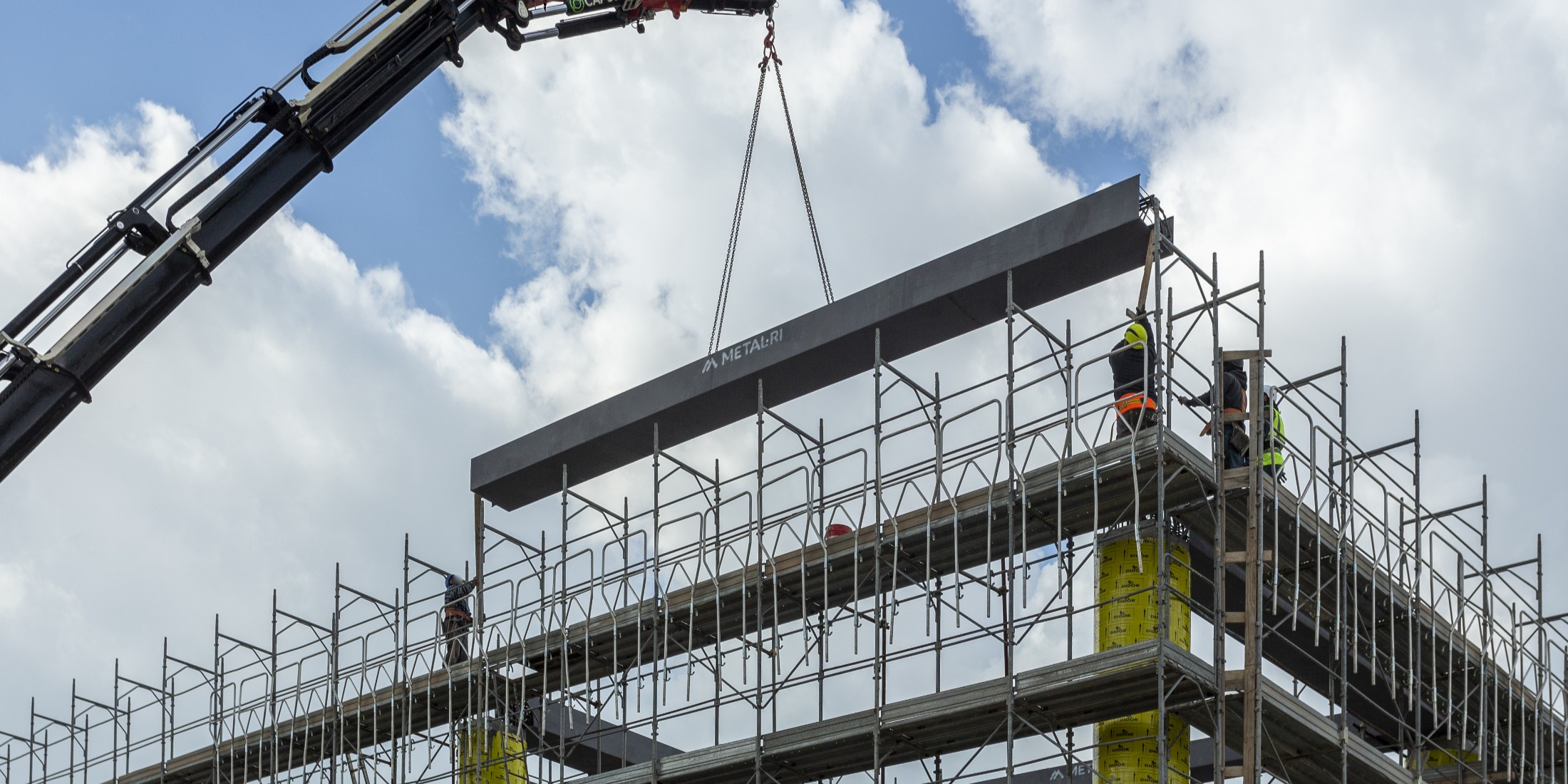
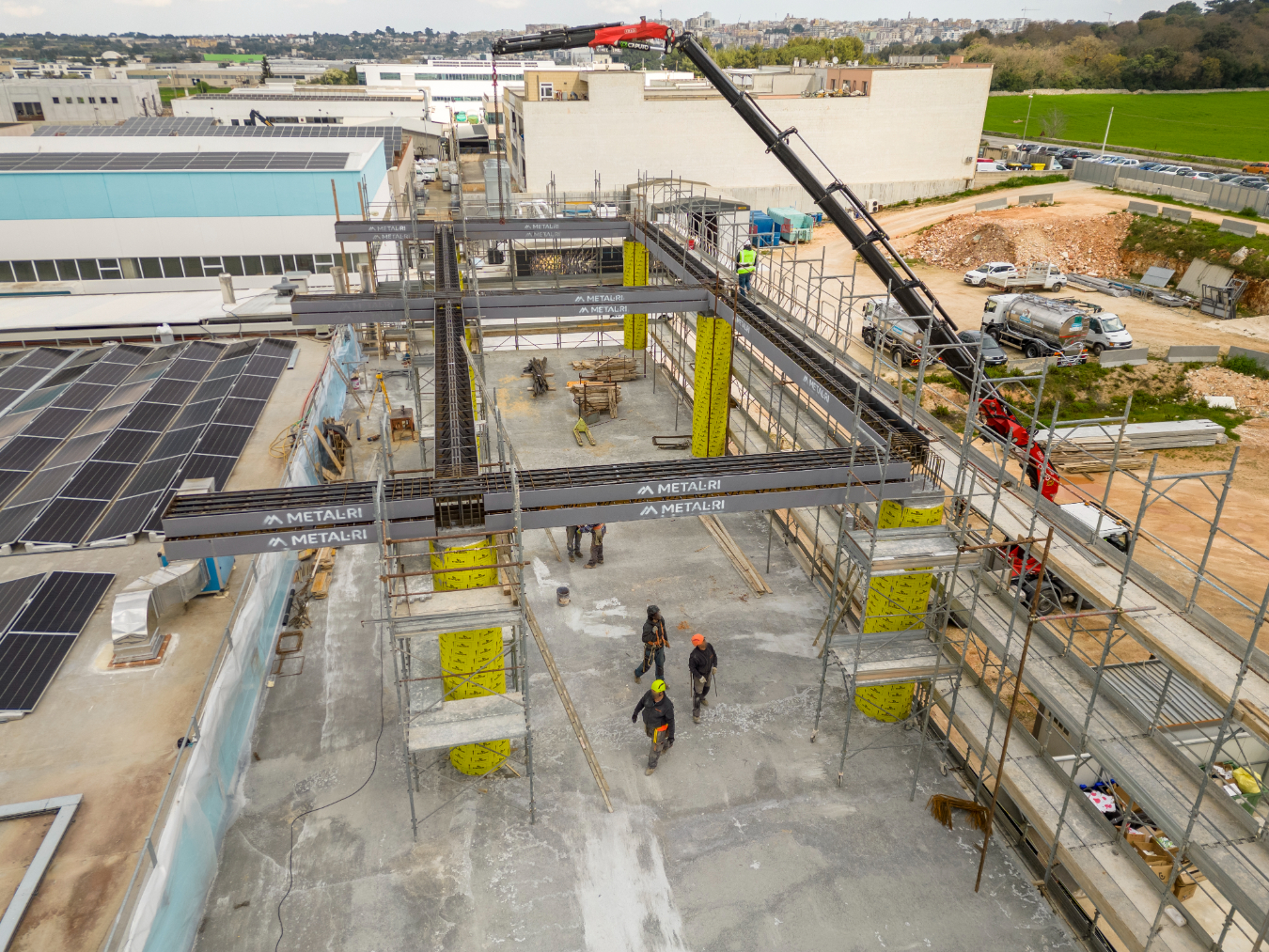
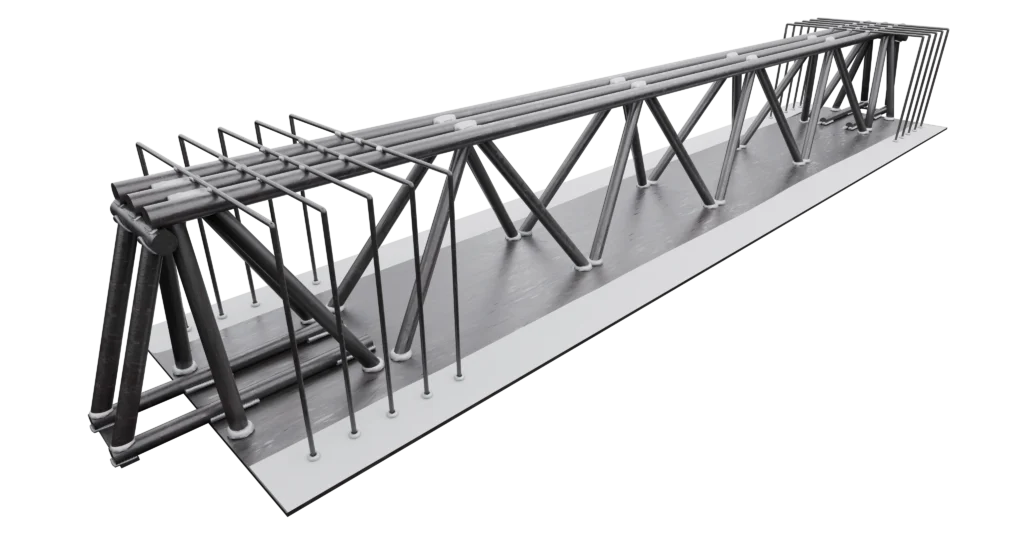
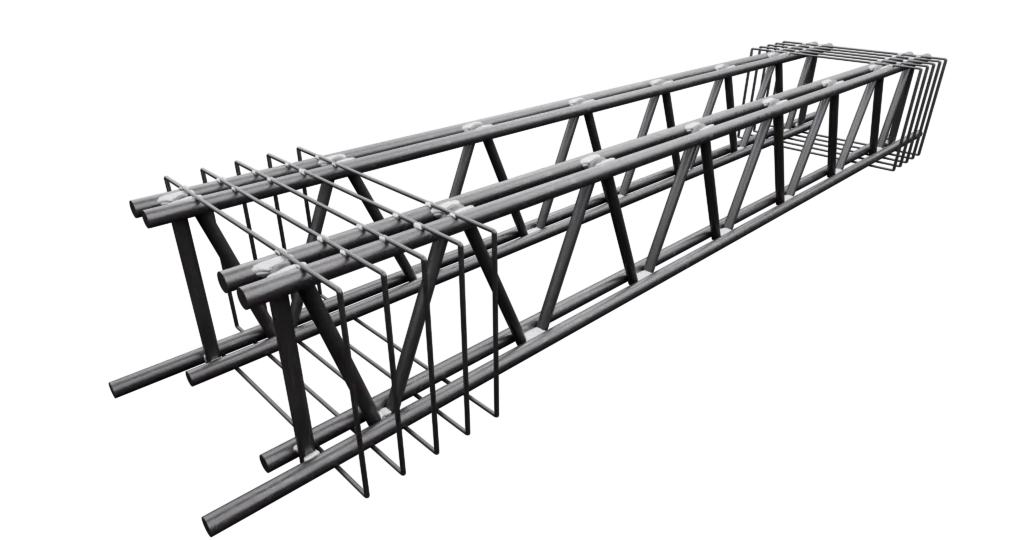
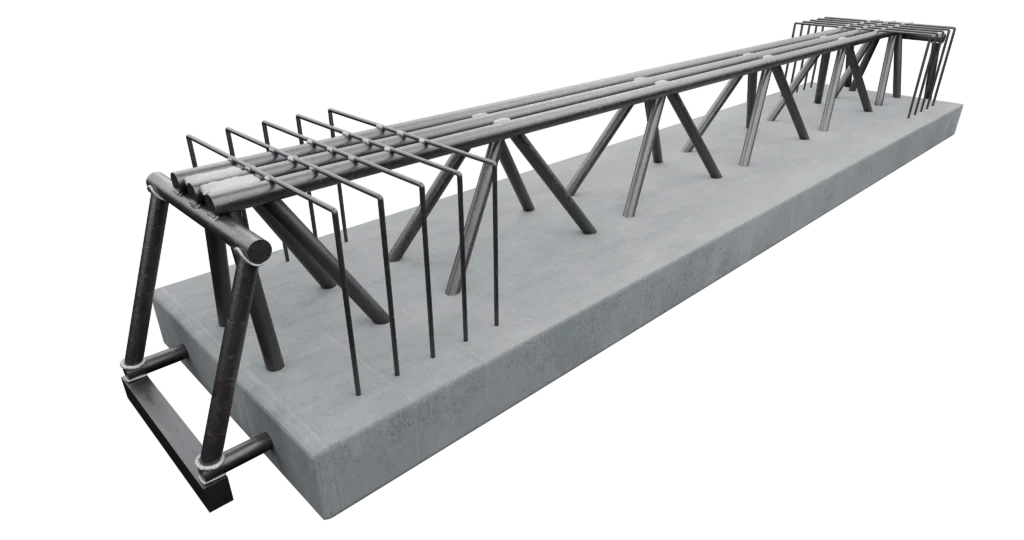
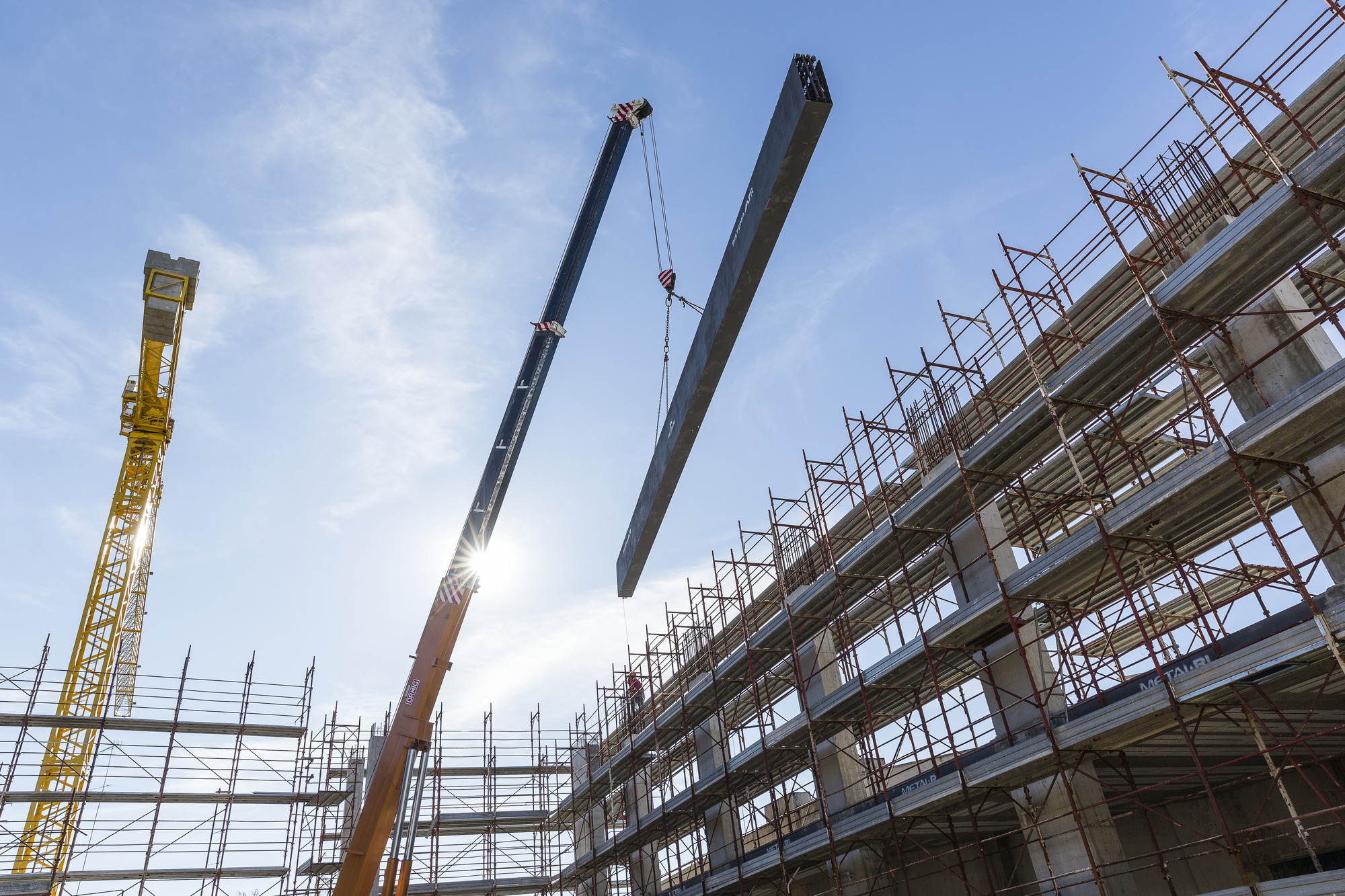
Consisting of three types of prefabricated lattice beams (MTR® A – MTR® T – MTR® C), with the MTR® System it is possible to rapidly construct framed structures in seismic zones of any category and meet any architectural requirement.
Compared to traditional reinforced concrete beams, the composite steel-concrete MTR® beams, thanks to their reduced cross-sections and self-supporting capability, make it easy to comply with the beam-to-column dimensional ratios required by the Technical Standards for Construction (NTC 2018).
Furthermore, reduced cross-sections and self-supporting capability facilitate compliance with the hierarchy of strengths. The columns are subject to lower bending stresses, ensuring ductile structural behaviour and avoiding brittle failures.
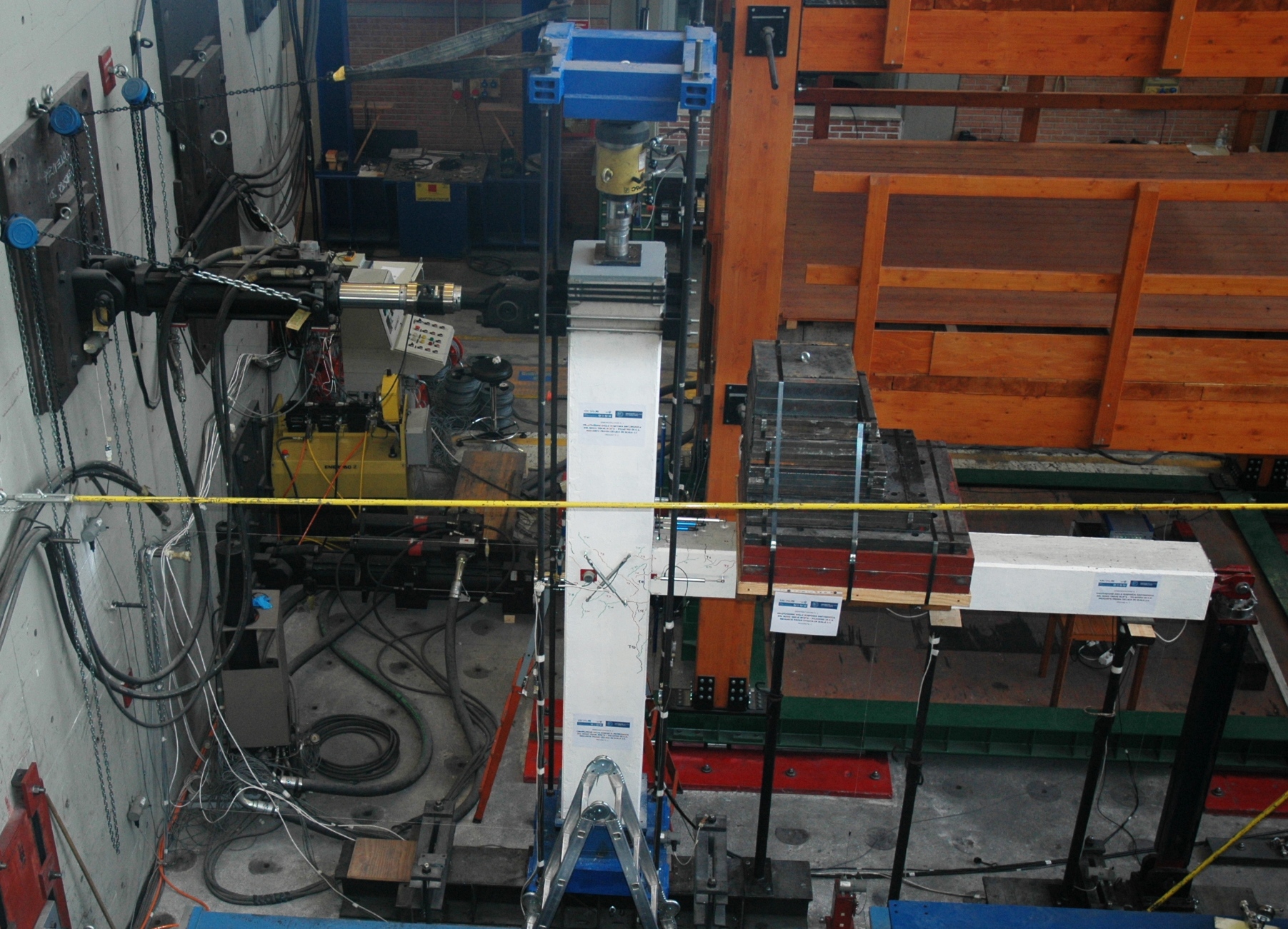
In the photo: assessment of seismic response by means of a 1:1 scale cyclic test of the reinforced concrete column – MTR® beam joint
MTR® elements are not tied to standard production dimensions, and find useful application both in new construction and in the renovation of existing buildings.
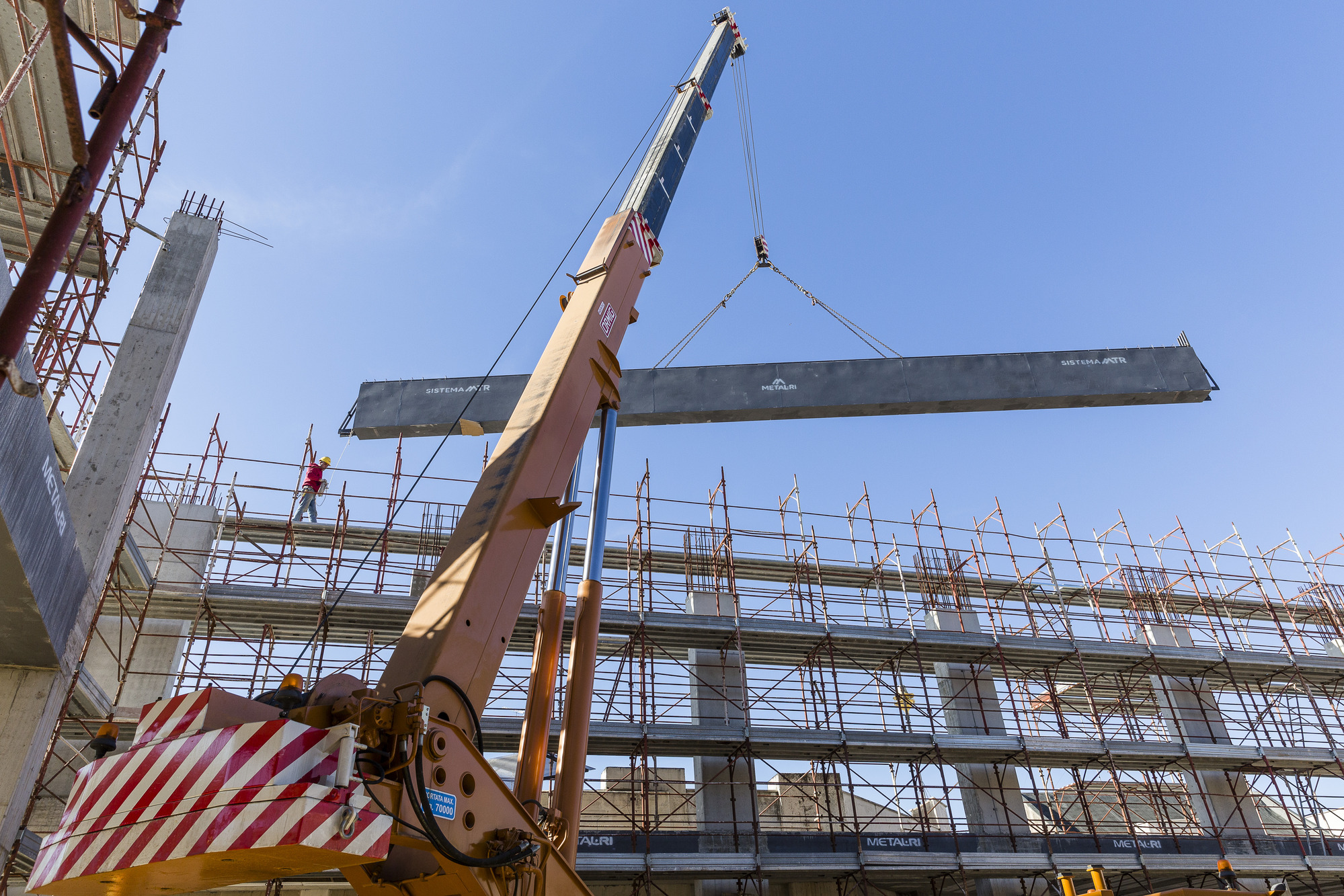
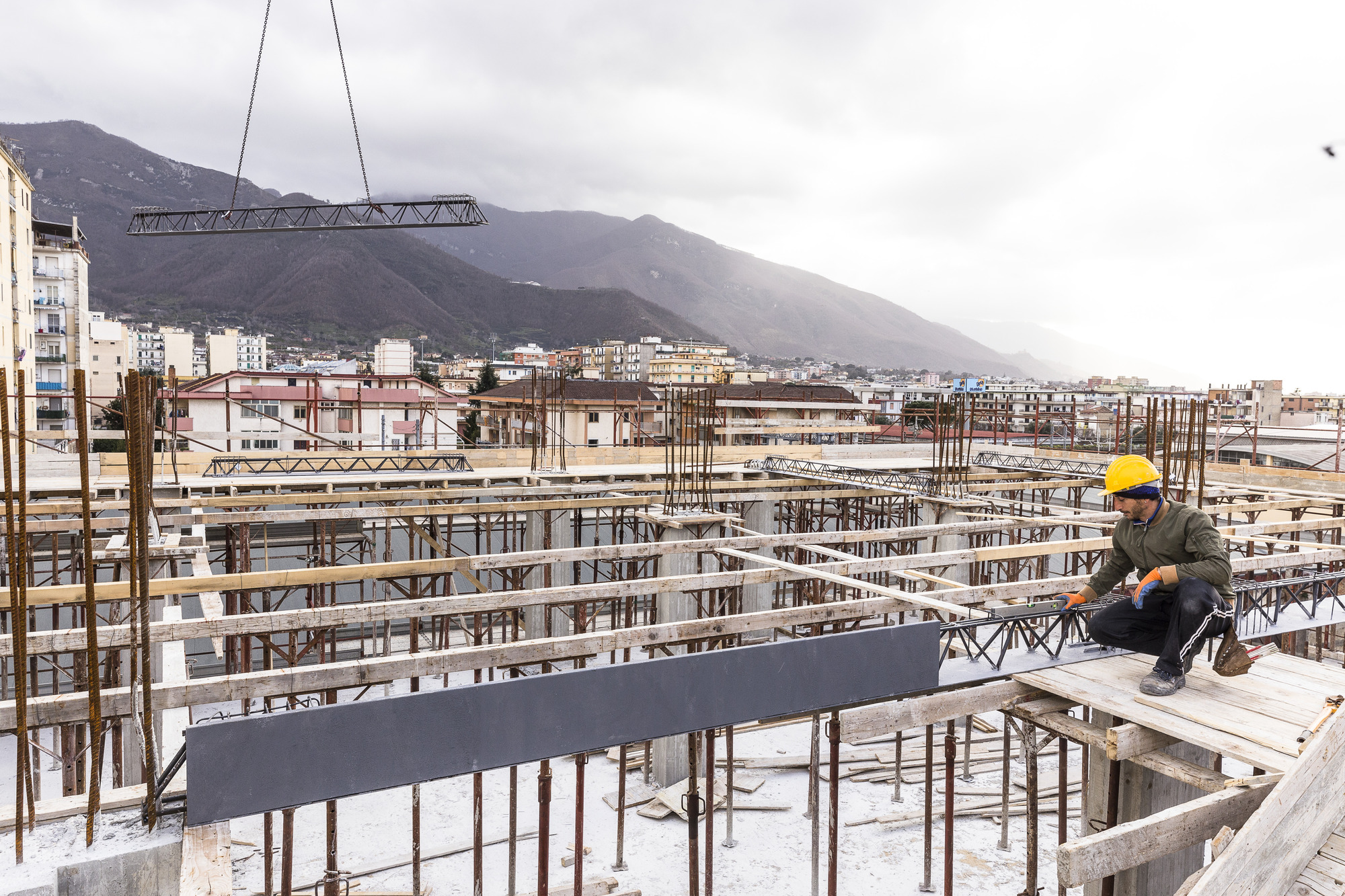
The prefabrication of the MTR® System, with CE-marked factory production, allows the metallic lattice beams to arrive directly at the construction site ready for installation, eliminating on-site rebar assembly of traditional reinforced concrete beams. This translates into a reduction in construction time for the structure, which, combined with the reduction in concrete and the total or partial elimination of formwork, leads to cost optimisation. All of this guarantees the eco-sustainability of the MTR® System.
Finally, thanks to the MTR® Software application capable of interfacing with the main structural calculation systems, it is possible to develop the three-dimensional mathematical model of the entire structure and perform detailed verifications of MTR® elements already at the design stage.
The software is produced under a quality management system certified in accordance with UNI EN ISO 9001.
New construction techniques, modern methods and materials will lead in the near future to the construction of safe structures that will stand the test of time.